
Calling Ontario’s Registered Dietitians: now is the best time to join and build this community with us from the ground up.
Celiac
Living Well with Celiac Disease: Your Path to a Healthy Gluten-Free Life
What is celiac disease?
Celiac disease is an autoimmune condition where eating gluten (a protein found in wheat, barley, and rye) damages the small intestine.
This damage makes it difficult for your body to absorb nutrients properly, leading to various symptoms and health complications.
According to Health Canada, celiac disease affects 1 in every 100-200 people in North America.
As many as 300,000 Canadians could have this disease, with many remaining undiagnosed.

Questions around celiac disease
A celiac disease diagnosis can feel overwhelming, but you don’t have to navigate this alone. Our ON Dietitians who specialize in celiac nutrition provide comprehensive guidance on reading labels, identifying hidden sources of gluten, safe food preparation, and building a balanced gluten-free meal plan. We help you understand which foods are naturally gluten-free, how to avoid cross-contamination, and when you need certified gluten-free products versus regular alternatives.
Cross-contamination is a serious concern for people with celiac disease, as even tiny amounts of gluten can cause damage. Our celiac dietitians provide detailed guidance on creating a safe kitchen environment, proper food storage and preparation techniques, and strategies for dining out safely. We help you understand which kitchen tools need to be separate, how to communicate your needs to restaurants, and how to navigate social eating situations without compromising your health.
Many people with celiac disease have nutritional deficiencies at diagnosis due to intestinal damage, and some gluten-free foods are lower in certain nutrients like fiber, iron, and B vitamins. Our ON Dietitians conduct thorough nutritional assessments to identify any deficiencies and provide targeted recommendations for nutrient-dense gluten-free foods and appropriate supplementation when needed. We ensure your gluten-free diet is both safe and nutritionally complete.
Continued symptoms on a gluten-free diet can be frustrating and concerning. Our celiac nutrition specialists help investigate potential causes, including hidden gluten sources, cross-contamination, other food intolerances that may have developed, or the need for additional healing time. We work with your medical team to ensure your diet is truly gluten-free and address any ongoing digestive or nutritional concerns through personalized celiac nutrition consults.
How Ontario Dietitians can help

Navigate a gluten-free diet with confidence
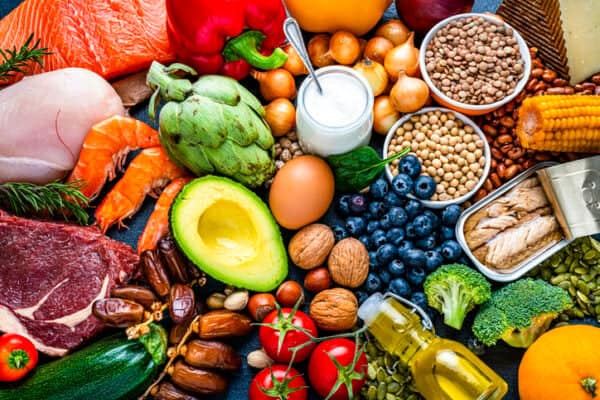
- Identify safe and delicious gluten-free options
- Learn to read labels and spot hidden gluten
- Discover new foods and recipes you’ll love
- Improve your symptoms and quality of life

Manage real-life situations and cross-contamination
- Dining out safely at restaurants
- Traveling with celiac disease
- Handling a shared kitchen at home
- Managing social situations and special occasions

Address your health needs
- Review your bloodwork, biopsy and test results
- Create a nutrition plan tailored to your lifestyle
- Manage multiple conditions (thyroid, diabetes, IBS, vegetarian diet)
- Ensure you’re getting all essential nutrients

Feel better and enjoy food again
- Troubleshoot persistent symptoms
- Build a positive relationship with food
- Create sustainable long-term habits
- Avoid unnecessary restrictions
Find your celiac dietitian
Browse local dietitians with expertise in celiac disease and gluten-free nutrition. Each profile includes their specific areas of focus, location, and booking information.






Frequently asked questions
A celiac diet means adopting a strict gluten-free diet for life as a treatment for celiac disease.
A gluten-free diet avoids barley, rye, oats (regular, non-gluten-free oats), wheat and triticale aka BROW(t).
In celiac disease, gluten (proteins, glutelins and prolamins, found in these listed grains) damages the small intestine resulting in symptoms, poor absorption of nutrients and skin rashes and itching in some people.
It’s important to note some people with celiac disease do not have any symptoms; however, it is still recommended for them to follow a gluten-free diet to prevent further damages to the small intestine and other long-term health complications.
Celiac dietitians typically have clinical experience working in hospitals, GI offices or clinics that treat patients with diagnosed and undiagnosed celiac disease.
These RDs will also partake in continuing education to stay current with the latest research, treatment guidelines, and best practices in celiac nutrition.
A celiac dietitian can help you with the following:
- resolve symptoms related to celiac disease with a strict gluten-free diet
- learn how to avoid gluten cross contamination
- discover delicious and nutritious gluten-free products
- learn what to cook and enjoy eating again without gluten
- enjoy eating out without gluten safely
- avoid unnecessary food restrictions
We make it easy for your to find a specialized celiac dietitian in ON.
Check out the dietitians listed on this page (or jump here), click on their profiles to read more about their qualifications, experience, and services.
Connect directly with your celiac dietitian and get started!
Many people starts eating a gluten-free diet without screening for celiac disease, making diagnosis complicated later on.
The 2004-2005 Canadian Celiac Health survey reported that it took on average 11.5 years after the onset of symptoms for adults to be diagnosed with celiac disease.
The testing for celiac disease becomes inaccurate when you have already eliminated gluten from your diet.
It is important if you have any signs and symptoms of celiac disease to get the screening test (commonly known as the TTG test – IgA anti-transglutaminase antibody test) done prior to avoiding gluten.
A celiac diagnosis means adopting a gluten-free diet for life, this also means you have to be diligent in avoiding cross contamination at home and eating out, regular medical follow ups to make sure your body is healing, as screening for other conditions and deficiencies.
It is recommended to screen your first-degree relatives (parents, siblings, children) for celiac since they have a 10% chance of having celiac disease.
This is different than eating a gluten-free diet due to gluten intolerance.
Need help finding the right dietitian?
Not sure where to start? Tell us a little about your nutrition goals and we'll let you know when our personalized dietitian matching service becomes available in Ontario.
Be among the first to access:
Dietitian matching
Insurance guidance
Specialty recommendations
Virtual and in-person care options
Celiac news and resources
Need help finding the right dietitian?