
As summer winds down, many of us are returning to busy fall routines filled with school, work and more time spent indoors. This seasonal transition often brings some challenges to our immune systems – more stress, more people interactions, more germs… We’re here to share evidence-based information on how to optimize your nutrition to support a well-functioning immune system !
What is the immune system?
The immune system is your body’s natural defence system. The immune system is complex and has two parts: the innate immune system and the adaptive immune system.
Our skin and mucous membranes serve as our first line of defence against foreign invaders by blocking pathogens from entering our body. We have natural biochemicals in the skin and mucous membranes :in saliva, mucus, sweat, and gastric acid. Each of these mechanisms are designed to trap foreign material and wash or move it out of the body via coughing ,sneezing, etc, and contain anti redness, antimicrobials ,acids, or enzymes to prevent the growth of, or destroy microorganisms.
The innate response to an invading pathogens or injury involves release of cells (phagocytes, neutrophils, dendritic cells, mass cells, an eosinophils, among others) that ideally work in harmony to kill the invading pathogen ,start repair, and signal the adaptive process.
While the innate response occurs quickly, the adaptive immune response is more specialized and often more effective. The adaptive immune response is your body’s adaptive immune cells being able to recognize a pathogen remembering it if it enters in your system again and creates the antibodies to fight it. An example of an adaptive response is immunity to the Chickenpox virus once exposure has occurred .
The majority of immune cells ( 70-80%) within our body are located within the gut called GALT, which is the gut-associated lymphoid tissue. This tissue is located in an inner mucosal layer and communicates regularly with the nearby gut microbiome located inside the gastrointestinal tract. In order to optimize our GALT function, we really need to pay attention to the health of our gut microbiome.
Being and staying healthy is more than just good nutrition: how we manage stress, our sleep quality, our movements, all affect our immune system.
What can you do to boost your immune system?
There is no one immune-boosting food or superfood that can prevent us from getting sick; however, we can still take actions to improve our health and immune system by optimizing our food, lifestyle, and nutrition choices. A diet that is lacking in one or more nutrients may impair the production of immune cells and antibodies.
Each stage of your body’s immune response relies on the presence of many micronutrients working together in the complex human body systems. If your diet is consisting mostly of ultra processed foods and lacking in whole foods, this can negatively impact a healthy immune system. A diet which is high in refined sugar, red meat, and low in fiber can cause disturbances in your gut microbiome. This can result in chronic inflammation of the gut and suppressed immunity.
CONSISTENCY is what matters when it comes to nutrition and health goals!
The role of the immune system is to protect the human body from different pathogens that may harm it. Optimal nutrition is essential for the adequate function of the immune system.
We are sharing with you a few actionable steps that can optimize nutrition and support your immune system!
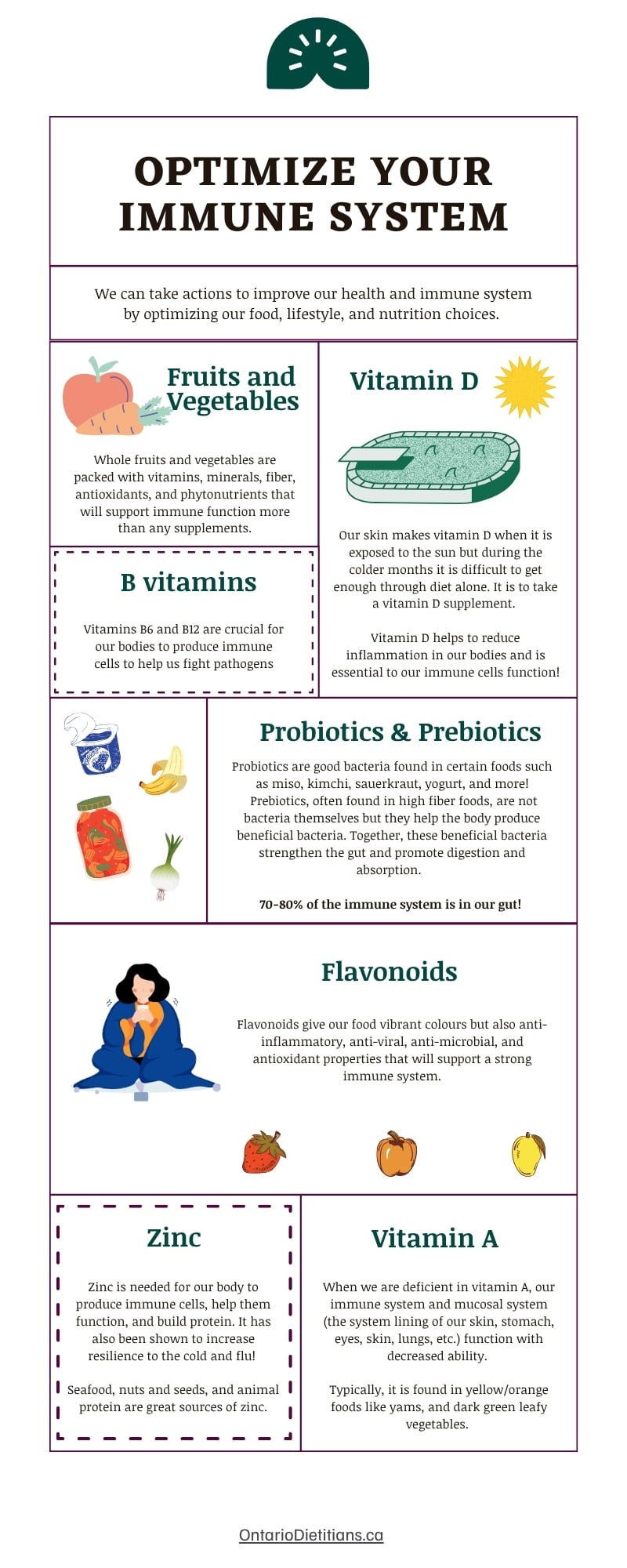
Eat Plenty of Whole Fruits and Vegetables
Instead of stocking up on vitamin C supplements, focus on eating more whole fruits and vegetables. Whole fruits and vegetables are naturally packed with vitamins, minerals, fiber, antioxidants, and phytonutrients that will help improve your immune system and general health. Maintaining a nutritious diet that will consistently support good immune function is more way beneficial than taking a vitamin C supplement alone.
Despite popular belief, Vitamin C supplementation does not appear to prevent an individual from catching the cold or flu; however, it may reduce the length of time a person experiences cold and flu symptoms. There is no doubt that vitamin C is important (not just for boosting our immunity!), but we recommend eating whole fruits and vegetables naturally packed with beneficial nutrients, including vitamin C, that will support your immune system and contribute to good, overall health.
Increase Your Vitamin D Intake
Our body makes vitamin D when our skin is exposed to sunlight – living in Ontario teaches us to take advantage of the outdoors when it is nice out!
Very few foods actually provide us with a significant source of vitamin D in our diet. The foods that do include : fatty fish, egg yolks, fortified margarine, fortified milk or milk alternatives. As you might imagine, it is difficult to meet our vitamin D requirements through food alone. A general recommendation is to include a routine daily supplement of vitamin D of at least 1000-2000IU/d for adults as the research has shown that vitamin D is safe up to a large dose (with its upper limit at 4000IU/d for those over 9 years of age).
Vitamin D has been shown to regulate the immune system and reduce inflammation in the body. Inflammation has been linked to a higher risk of developing chronic diseases like diabetes, cancer, and heart disease. Many of the cells that are part of our immune system also need to use vitamin D to support their function. These immune cells then produce an antimicrobial substance in our lungs that provides a layer of protection against infection. By ensuring adequate intake of vitamin D, we can support our immune system’s cell functioning and reduce inflammation in our bodies.
B vitamins
B-complex vitamins are a class of eight types of B-vitamins. The most important of this B-complex class for immune function are vitamin B-6 and vitamin B-12.
These two vitamins are integral to the proper functioning of our immune system. Similar to vitamin D, these two B vitamins reduce inflammation in our bodies and help our bodies produce immune cells to find and attack pathogens.
Vitamin B-6 can be found in whole grains, chickpeas, salmon, tuna, chicken, potatoes, and nuts. Vitamin B-12 on the other hand is mostly found in animal products such as fish, meat, eggs, dairy, and seafood. If you’re eating a largely plant-based diet, fortified breakfast cereals, fortified plant-based milks and nutritional yeast can also provide vitamin B-12.
A supplement might be considered if you are limiting meat and animal products in your diet in order to meet proper vitamin B-12 levels.
Probiotics & Prebiotics
Probiotics are good bacteria that come from certain foods such as kombucha, yogurt, kimchi, sauerkraut, kefir, miso, many other fermented foods and supplements. These bacteria help strengthen your gut, improve nutrient absorption and digestion. Why is this important? Your gut is where 70% – 80 % of your immune system lives, so having a strong and healthy gut can strengthen your immune system.
Trillions of microbes live in the intestines and form a complex system that influences our body’s normal functioning and risk of developing disease; the bacteria in your gut also communicates with immune cells to activate your defense system. Good bacteria in your gut also helps to prevent harmful bacteria from growing!
While probiotics actually supply the good bacteria, prebiotics are foods that stimulate the gut to produce them. Prebiotics are often found in foods high in fiber such as whole fruits and vegetables and whole grains; garlic, onions, leek, asparagus, dandelion greens, bananas, and seaweed are all great sources of prebiotics.
Zinc
Zinc often seems to be missed when we talk about our immune system, but zinc is actually a key player in immune function. Consuming zinc can increase your resilience to the cold and flu and functions in both the innate and adaptive immune systems.
Zinc is an essential nutrient that is needed to produce immune cells and help them carry out their functions. It is also required for your body to produce protein, which is the building block of our body! If you are searching for foods high in zinc content try meats like beef or pork, seafood such as crab or lobster, nuts/seeds including pumpkin seeds, cashews and almonds, and legumes like chickpeas and beans.
Flavonoids
Flavonoids are found in fruits and vegetables, giving them brilliant colours. Not only are they responsible for the vibrant colours in fruits and vegetables, they also have plenty of anti-inflammatory, anti-viral, anti-microbial, and antioxidant properties that can boost your immune system.
Most fruits and vegetables pack a punch of flavonoids, even white vegetables like parsnips and onions, but blueberries, green tea and dark chocolate are especially high food sources of flavonoids.
Vitamin A
Vitamin A is also an important vitamin that regulates our immune system. When we are deficient in vitamin A, our immune cells and our mucosal immune system (the immune system lining our skin, mouth, stomach, intestines, lungs, eyes, etc.) function with decreased ability.
Vitamin A can be found in many yellow, orange and dark leafy foods such as sweet potatoes, squash, carrots, kale, and spinach. It is also in animal products including liver, milk, eggs, and oily fish.
Other Lifestyle Factors that Impact Your Immune System
Being and staying healthy is more than just good nutrition: how we manage stress, our sleep quality, our movements, all affect our immune system.
Stress
Being stressed all the time (chronic stress) reduces your immune system’s ability to fight off antigens or foreign bodies, making us more susceptible to illnesses and/or infections.
Stress can also have some indirect effects on the immune system as people may use unhealthy behavioral coping strategies to reduce their stress, such as drinking, overeating / undereating and smoking.
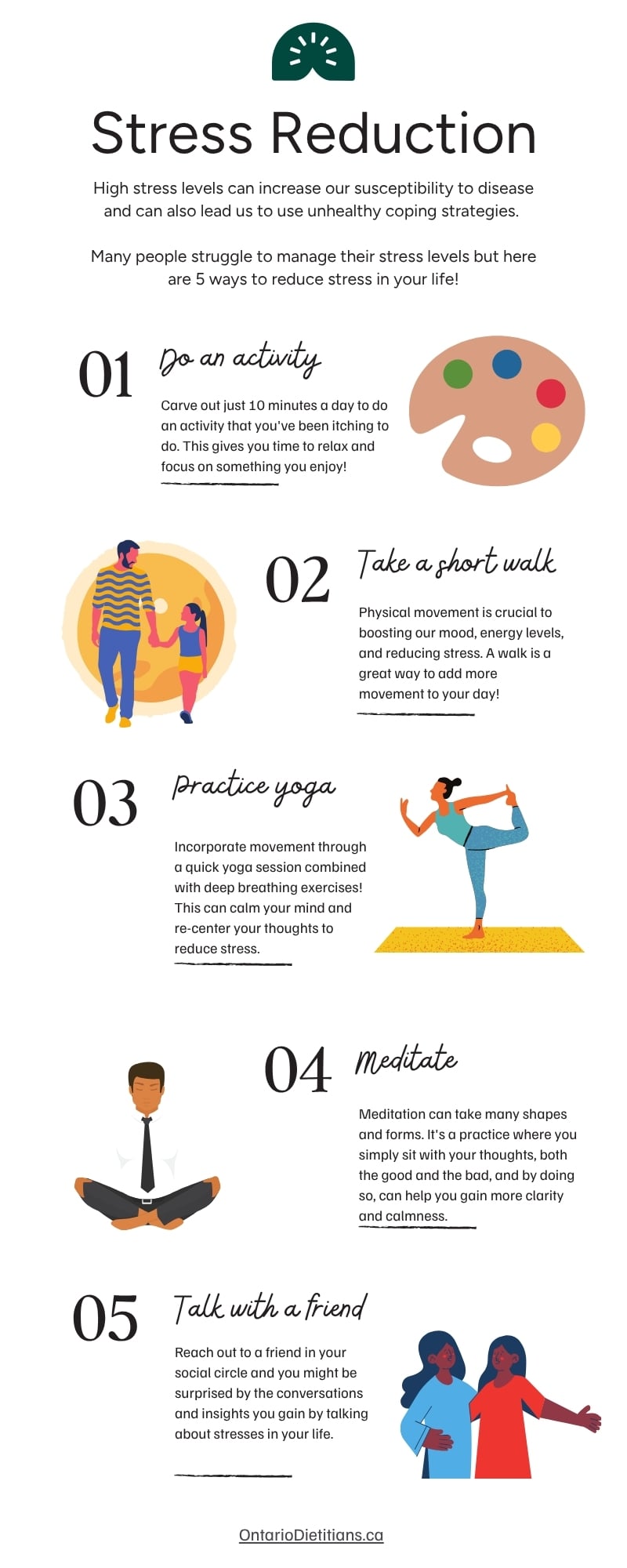
There are many ways to reduce stress:
- Doing an activity you enjoy, even for 10 minutes, can help reduce stress.
- A short walk, with or without, your kids or pet
- Some yoga stretches with good breathing
- Talk with a friend
- Meditation
Sleep
A person who has poor sleep or not enough sleep frequently will have a weakened immune system. During a solid sleep of 7-8 hours, we replenish and repair cells.
- Our T cells are the soldiers of the immune system as they destroy other germ infected cells and they get redistributed to our lymph nodes when we sleep.
- Our bodies also boost the production of cytokines which are proteins that help regulate inflammation and interact with T helper cells to work together in the immune system. If we don’t sleep enough, our immune system is weakened. This can make us susceptible to diseases such as the common cold and can even make vaccines less effective, since our bodies can’t respond to the virus as well as they should.
Exercise
Exercise can contribute to general good health and therefore to a healthy immune system.
Regular exercise is one of the pillars of healthy living. With working from home, poor weather and the daylight being short at this time of the year, it is especially important to keep your active movements up!
When you exercise consistently ( ie. 30 minutes per day), your blood and lymph flow increases because your muscles are contracting. With this increase in flow, your immune cells are traveling around your body at a faster rate.
Exercise really is a housekeeping activity, where it helps the immune system patrol the body and detect and evade bacteria and viruses.
Do I need supplements for my immune system?
Before adding a supplement to your diet, you should be looking at yourself holistically (nutrition, hydration, sleep and stress) as your immune system is affected by any one or more of these lifestyle factors as mentioned above.
Supplementation does not replace eating whole foods. The body’s complexity requires eating a variety of foods in order to function optimally. Some people do have deficiencies for various reasons, such as diet choices, genetics, poor gut health and allergies to certain foods.
Vitamin and mineral supplements can only improve your immune system if you are deficient in them. Blood tests would help determine some of this. Your dietitian can also assess what your diet might be lacking in and advise you the supplement and dosage you would need.
The most common vitamin and minerals that people may have a deficiency in that can affect your immune system are:
- Vitamin C is an antioxidant shown to prevent and help minimize infections caused by viruses and bacteria. The best form to take is ascorbic acid. Anything more than 500mg at a time is excess and will be eliminated through your urine. If you need a higher dose then opt for a timed-release tablet or pill.
- Zinc supports immune cells and may also reduce the effects of a common cold. It is important to know that over supplementation of this mineral is dangerous and can actually pose a risk to your immune system. Zinc has two standard dosages. The low dosage is 5-10mg, while the high dosage is 25-45mg. The low dose works well as a daily preventative, while the high dosage should be taken by anyone at risk for a zinc deficiency.
- Vitamin D is produced by the body if you have enough sun exposure to get the right amount of UV light. Vitamin D supplementation is recommended for most Canadians. The most bioavailable form is D3 and the recommended dose for adults is usually 800-1000IU. As it is a fat soluble vitamin, it is helpful to take with meals or a fat source.
- Vitamin B12 supports neurological functions and provides oxygen to red blood cells. We would get very sick without the presence of this vitamin. Our bodies do not make Vit B12 so it has to come from foods that we eat. Older adults, vegetarians and vegans are at a higher risk for vitamin B12 deficiencies. Supplementation is in tablet form or IV injections.
- Vitamin B9 (folate) helps our body make healthy red blood cells. There are no long-term stores in the body, so you need to eat folate-containing foods frequently. Most people should be able to get the amount of folate they need by eating a varied and balanced diet since many of our foods are fortified with this vitamin.
- Quercetin, (Coq10) a polyphenol derived from plants, has been shown to reduce the incidence and severity of upper respiratory tract infection symptoms and may provide additional immune-supporting effects when combined with vitamin C.
- Probiotic supplements may be used as a first line of defense against flu infection. They may block harmful bacteria growth in the gut and support natural antibodies. Probiotic supplementation with bifidobacteria has been found to enhance phagocytic cells and natural killer cell activity ( killing the foreign cells). Lactobacilli, seems to enhance immunoglobulin A secretion into the saliva, preventing the virus from entering the body in the first place.
References
- Aranow C. Vitamin D and the immune system. J Investig Med. 2011;59(6):881-6. doi:10.2310/JIM.0b013e31821b8755.
- Chandra RK. Nutrition and the immune system: an introduction. Am J Clin Nutr. 1997;66(2):460S-463S.
- Cresci GA, Bawden E. The gut microbiome: what we do and don’t know. Nutr Clin Pract. 2015;30(6):734-46. doi:10.1177/0884533615609899.
- Examine. Probiotics [Internet]. [cited 2026 Oct 3]. Available from: https://examine.com/supplements/probiotics/.
- Harvard Health Publishing. How to boost your immune system [Internet]. Boston (MA): Harvard Health Publishing; [cited 2026 Oct 3]. Available from: https://www.health.harvard.edu/healthy-aging-and-longevity/how-to-boost-your-immune-system.
- Health Canada. Dietary reference intakes tables: overview [Internet]. Ottawa (ON): Government of Canada; [updated 2025 Nov 19; cited 2026 Oct 3]. Available from: https://www.canada.ca/en/health-canada/services/food-nutrition/healthy-eating/dietary-reference-intakes/tables.html.
- Hemilä H, Chalker E. Vitamin C for preventing and treating the common cold. Cochrane Database Syst Rev. 2013;(1):CD000980. doi:10.1002/14651858.CD000980.pub4.1
- Janeway CA Jr, Travers P, Walport M, Shlomchik MJ. The mucosal immune system. In: Immunobiology: the immune system in health and disease [Internet]. 5th ed. New York: Garland Science; 2001 [cited 2026 Oct 3]. Available from: https://www.ncbi.nlm.nih.gov/books/NBK27169/.
- Myles IA. Fast food fever: reviewing the impacts of the Western diet on immunity. Nutr J. 2014;13:61. doi:10.1186/1475-2891-13-61.
- National Institutes of Health, Office of Dietary Supplements. Vitamin B6: fact sheet for health professionals [Internet]. Bethesda (MD): National Institutes of Health; [updated 2023 Jun 16; cited 2026 Oct 3]. Available from: https://ods.od.nih.gov/factsheets/VitaminB6-HealthProfessional/.
- Ran L, Zhao W, Wang H, Zhao Y, Bu H. Vitamin C as a supplementary therapy in relieving symptoms of the common cold: a meta-analysis of 10 randomized controlled trials. Biomed Res Int. 2020;2020:8573742. doi:10.1155/2020/8573742.
- Reid G, Jass J, Sebulsky MT, McCormick JK. Potential uses of probiotics in clinical practice. Clin Microbiol Rev. 2003;16(4):658-72. doi:10.1128/CMR.16.4.658-672.2003.
- Sassi F, Tamone C, D’Amelio P. Vitamin D: nutrient, hormone, and immunomodulator. Nutrients. 2018;10(11):1656. doi:10.3390/nu10111656.
- Schend J. 15 foods that boost the immune system [Internet]. Healthline; [updated 2025 May 24; cited 2026 Oct 3]. Available from: https://www.healthline.com/health/food-nutrition/foods-that-boost-the-immune-system.
- Skokovic-Sunjic D. Clinical guide to probiotic products available in Canada [Internet]. 18th ed. 2026 [cited 2026 Oct 3]. Available from: https://www.probioticchart.ca/.
- Suardi C, Cazzaniga E, Graci S, Dongo D, Palestini P. Link between viral infections, immune system, inflammation and diet. Int J Environ Res Public Health. 2021;18(5):2455. doi:10.3390/ijerph18052455.
- Yan F, Polk DB. Probiotics and immune health. Curr Opin Gastroenterol. 2011;27(6):496-501. doi:10.1097/MOG.0b013e32834baa4d.


Add a comment